
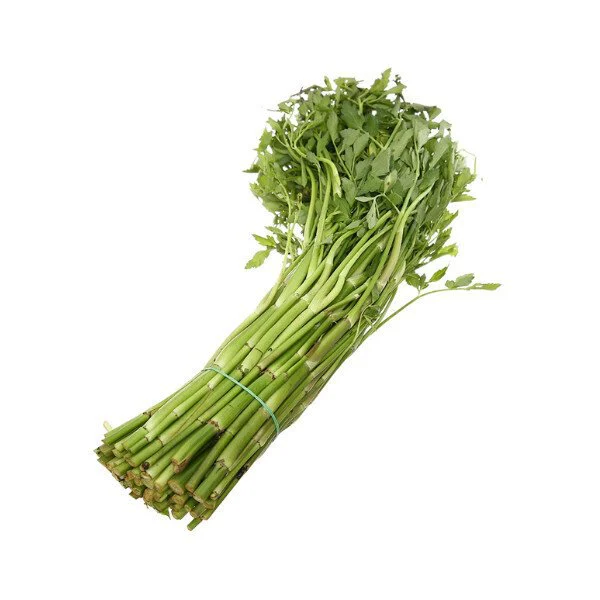
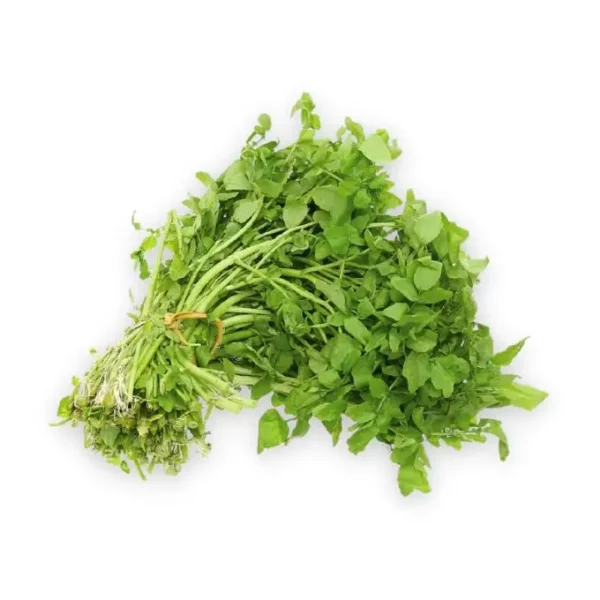
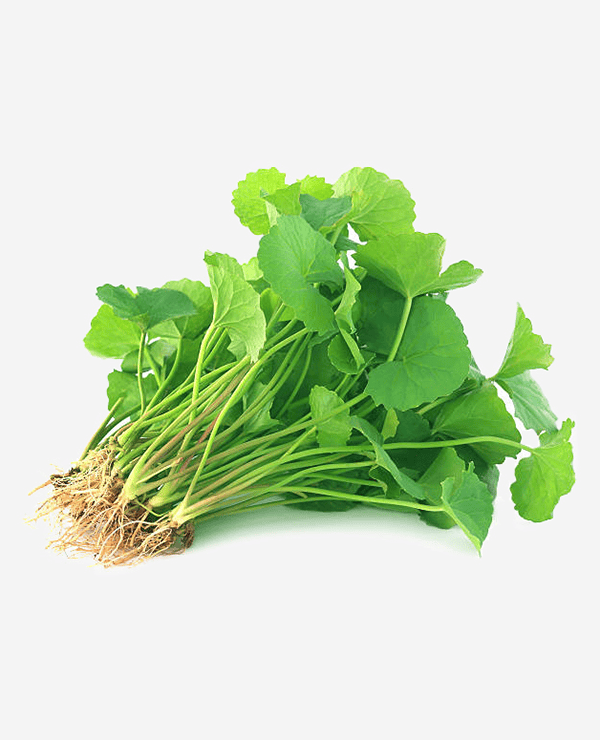
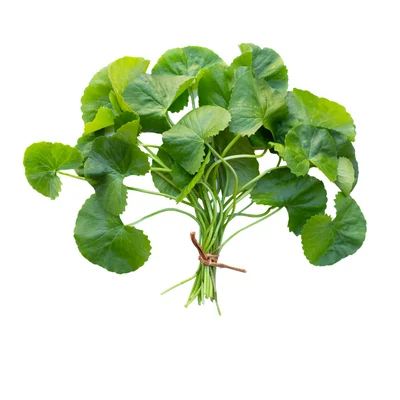
All parts of the plant are used as medicine, which can be used in fresh or dried form. Scientific studies show that vegetables contain the following chemical components:
- The active ingredients in vegetables include isorhamnetin, glucosid, quercitrin, α-tocopherol, chlorogenic acid, gallic acid, hyperin…;
- Nutrients and minerals in this plant include protein, carbohydrates, trace minerals, magnesium, calcium, potassium, sodium;
- The roots and stems of the plant contain the active ingredient falcarinol;
- The fruit contains about 1.5% essential oils, mainly myristicin and phenlandren.
With the above beneficial chemical components for health, the vegetable has the following pharmacological effects:
- Anti-hepatitis effect: Research shows that the active ingredient in vegetable plants should have the effect of inhibiting the multiplication of the hepatitis B virus. Therefore, this plant has a lot of potential in the treatment of hepatitis B. In addition, phenol derivatives in vegetables have a role in protecting the liver from damage in diseases of cirrhosis, acute liver damage, fatty liver non-alcoholic when studied on mice;
- Hypotensive effect: The hypoglycemic effect of vegetables has been proven to be due to the role of releasing insulin from pancreatic β cells;
- Anti-cancer effects: Research from scientists shows that green vegetables rich in chlorophyll, vitamin E, vitamin C play a role in reducing the risk of cancer diseases. In which vegetable contains anti-toxic, antioxidant and inhibiting the activation of carcinogens;
- Anti-inflammatory effect: The active ingredient isorhamnetin in water plants has the role of inhibiting the release of inflammatory substances;
- Immune system strengthening effect: Flavonoid compound extracted from water-needed vegetables has the effect of supporting cellular immunity, non-specific immunity and fluid immunity on immunocompromised mice caused by hydrocortisone. The immune-supporting benefits of celery are proven through the mechanism of promoting the proliferation of T lymphocytes;
- Effects on natural activity: High extract of dried vegetables that need water with 50o alcohol has the effect of inhibiting natural motor activities in white mice;
- Anti-inflammatory, anti-cough effect: The active ingredient p – pinene in the plant has the effect of expectorant, cough suppressant, antifungal and anti-inflammatory. In addition, the active ingredient myrcene also has the effect of reducing ho talk;
- Acute toxicity: The dried high extract of the whole plant of vegetable causes acute toxicity with an average lethal dose of about LD50 = 375mg/kg. The active ingredient diethylphtalat in vegetables has the effect of killing insects and killing mosquitoes, orally in experimental rabbits has an average death dose of LD50 = 1.0g/kg.
In Traditional Medicine, water spinach has a cool, slightly spicy sweet taste and has the following uses:
- Vegetable medicinal herbs need to have the effect of blood, heat purification, emphysema, diuretic, and blood;
- The fruit has anti-nausea, anti-bloating effects;
- Vegetable is used in colds high blood pressure, to treat fever, urinary tract infection, urinary tract infection, albinia, mensmenorrhea;
- Freshly crushed and applied externally to treat snake bites, injuries caused by falls, abscesses, scorpion bites.

Reviews
Clear filtersThere are no reviews yet.